
Consumed by Electronics
CE design at a crossroads: disappear into the environment or demand to be noticed.
TL;DR
Consumer electronics design is splitting in two. Devices are moving simultaneously toward total invisibility (jewelry, furniture) and deliberate physical presence (zero-screen, gestural, emotive hardware) as a collective rejection of the flat glass rectangle.
The object is becoming the interaction. Transformation design, single-material construction, and emotion-expressive hardware are redefining what a device is rather than just what it does.
Touchscreens are losing the design argument. Across the PSFK research set, the shift away from glass as a primary interface feels less like nostalgia and more like a deliberate bet that tactile and analogue interaction is more intentional and less addictive.
It’s been a year since I published the 100 Ideas in Electronics report — a super successful publication for us with over 600 sales via Gumroad. Maybe it was the anniversary, maybe it was that photo of a glib Mark Z walking down the court steps reminding us of our (forced?) relationship with tech, maybe it was a Fodda demo call with a European CE corp about the positive power of design… but I was jolted to refresh.
In this newsletter, I’m going to share what seems to have changed over the last 12 months - especially when it comes to the form and function of our devices.
What’s also changed is that this year’s Consumer Electronics Design ‘report’ is not a report. Can you guess what form and function it is? Yup. It’s a knowledge graph! Available for you all to poke and query the 22 trends and 300 data points in your* own AI by signing up to for a Fodda account here.

Consumer Electronics Design Trends 2026
By comparing the themes in our research from last March with the ones that emerged since - we can see consumer electronics design splitting in two directions simultaneously:
One toward objects that are designed not to be noticed for what they are (jewelry, furniture),
and one toward objects that are deliberately present, physical, and expressive (zero-screen and gestural interfaces, animated and changing hardware).
Both moves feel like reactions to the same thing: the ubiquity of flat, passive, glass-rectangle devices we carry every day.
1. The Object That Becomes Something Else
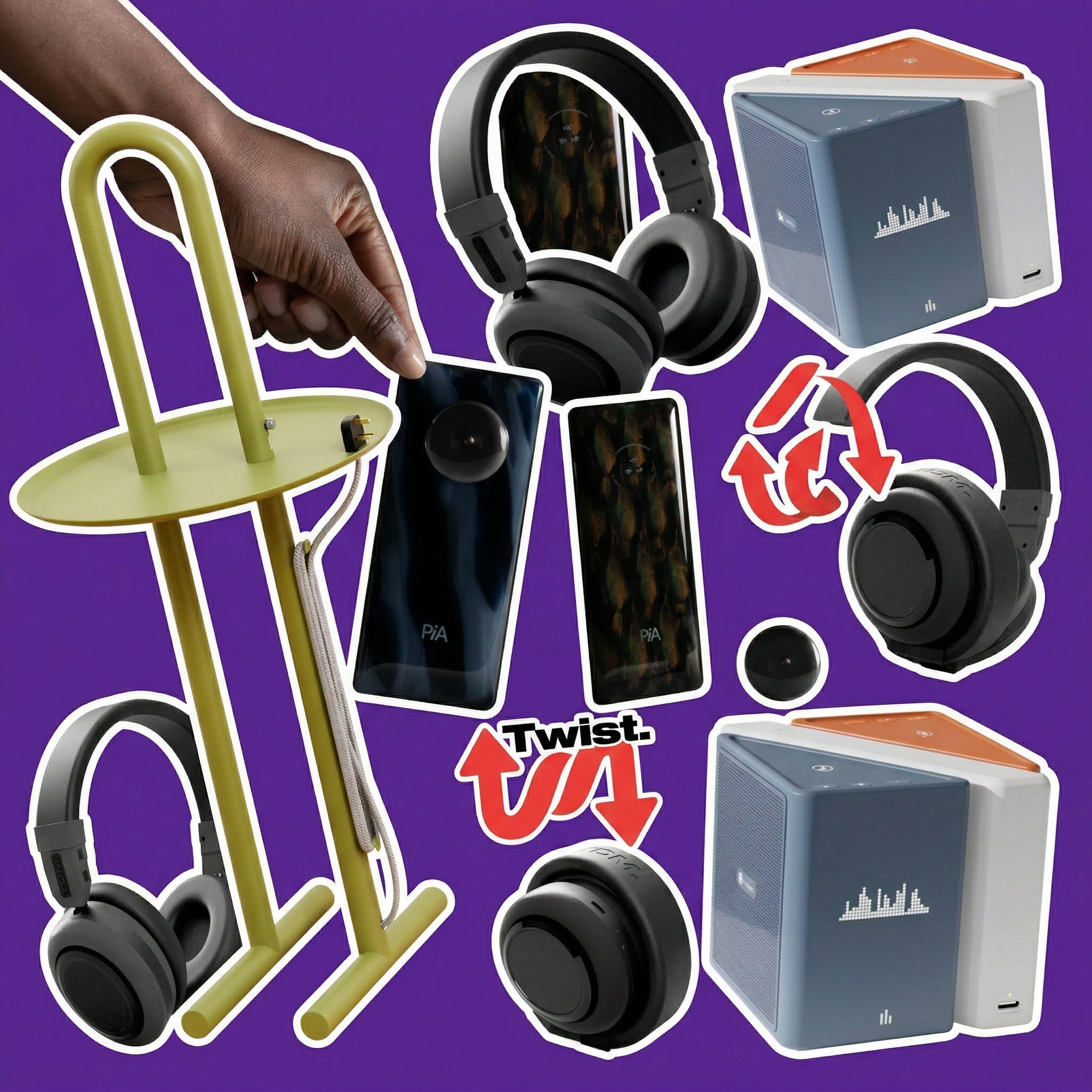
A striking number of products in this period are defined by physical transformation — not just foldable screens, but objects that genuinely change category when reconfigured. Headphones that twist into a speaker. A table that rotates into a lamp. A camera that snaps off to become a wearable action cam. An earring that becomes a bracelet.
These objects have two legitimate identities, and the transformation becomes the interaction.
Next: ask the CE Design graph on Fodda:
Which product categories is transformation design happening in?

2. Jewelry as CE
(As you know) ring-form devices have exploded over the last year, but what’s notable is the shift in design language — from fitness-tracking rubber bands toward objects that deliberately read as jewelry.
New electronics from Samsung, Spktrl, Quartz and Vocci all seem designed to be indistinguishable from jewelry when not in active use. The wearable CE object is now competing with luxury accessories for the same physical space on the human body.
Next: ask the CE Design graph on Fodda:
What materials are CE designers borrowing from jewelry — and where else are those materials showing up?
3. Infrastructure as Furnishings
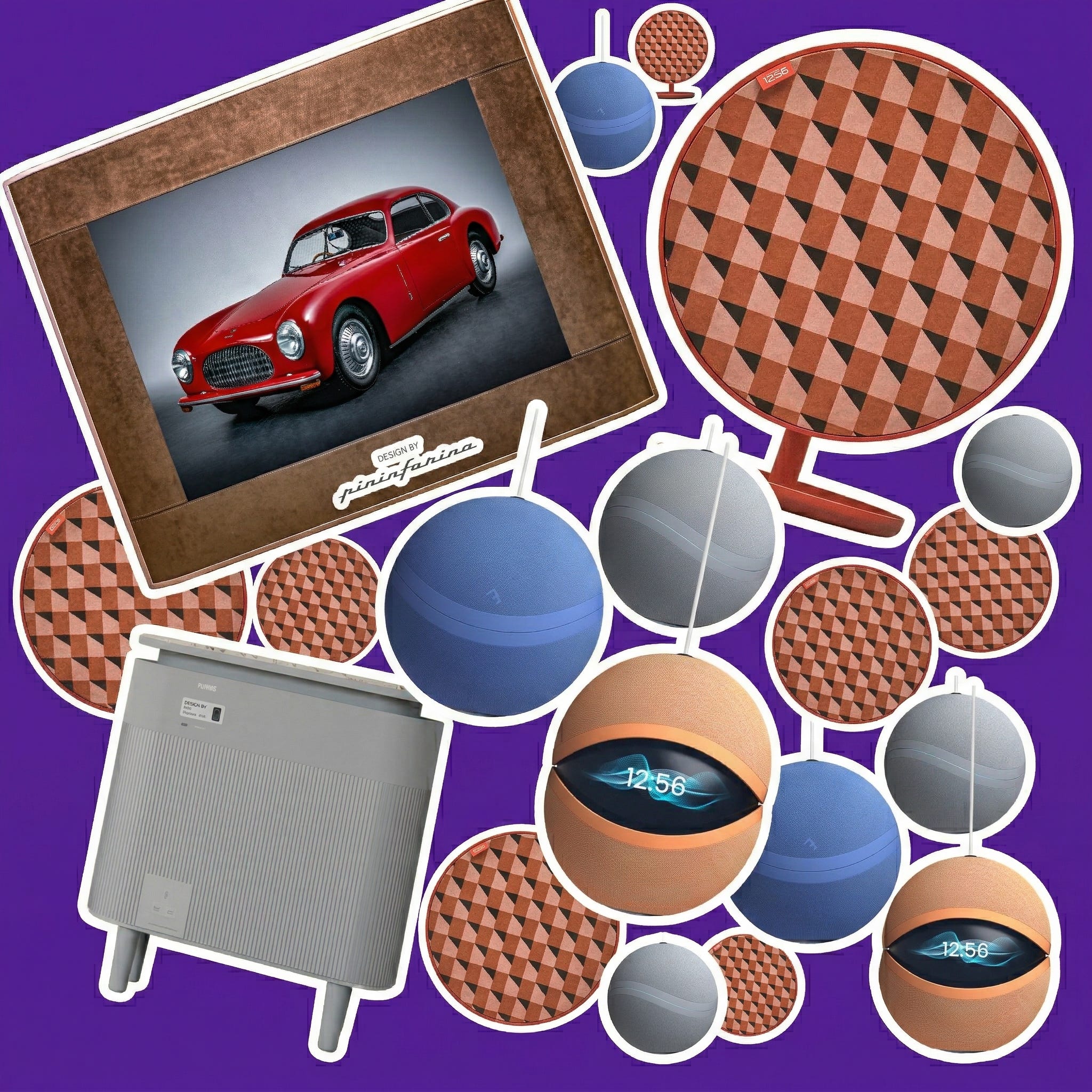
Several products we found are designed to pass as domestic objects — not “tech you tolerate in the room” but things you’d buy for a room anyway: a battery that sits beside a desk like a console piece, an AI assistant that hangs from the ceiling like a light fitting, a device framed like an artwork, a diffuser orb that levitates like a sculpture.
The intent is consistent: consumer electronics that earn their place in considered interiors by looking like they belong there, rather than gadgets that have colonized the room.
Next: ask the CE Design graph on Fodda:
What design strategies are CE brands using to make a product disappear into a room without miniaturizing it?
4. The Single Material as Statement
Last year, I wrote about a theme I labeled “Single-Block.” Over the past year, we’ve seen it evolve into something more defined: products where the entire design argument is the material itself.
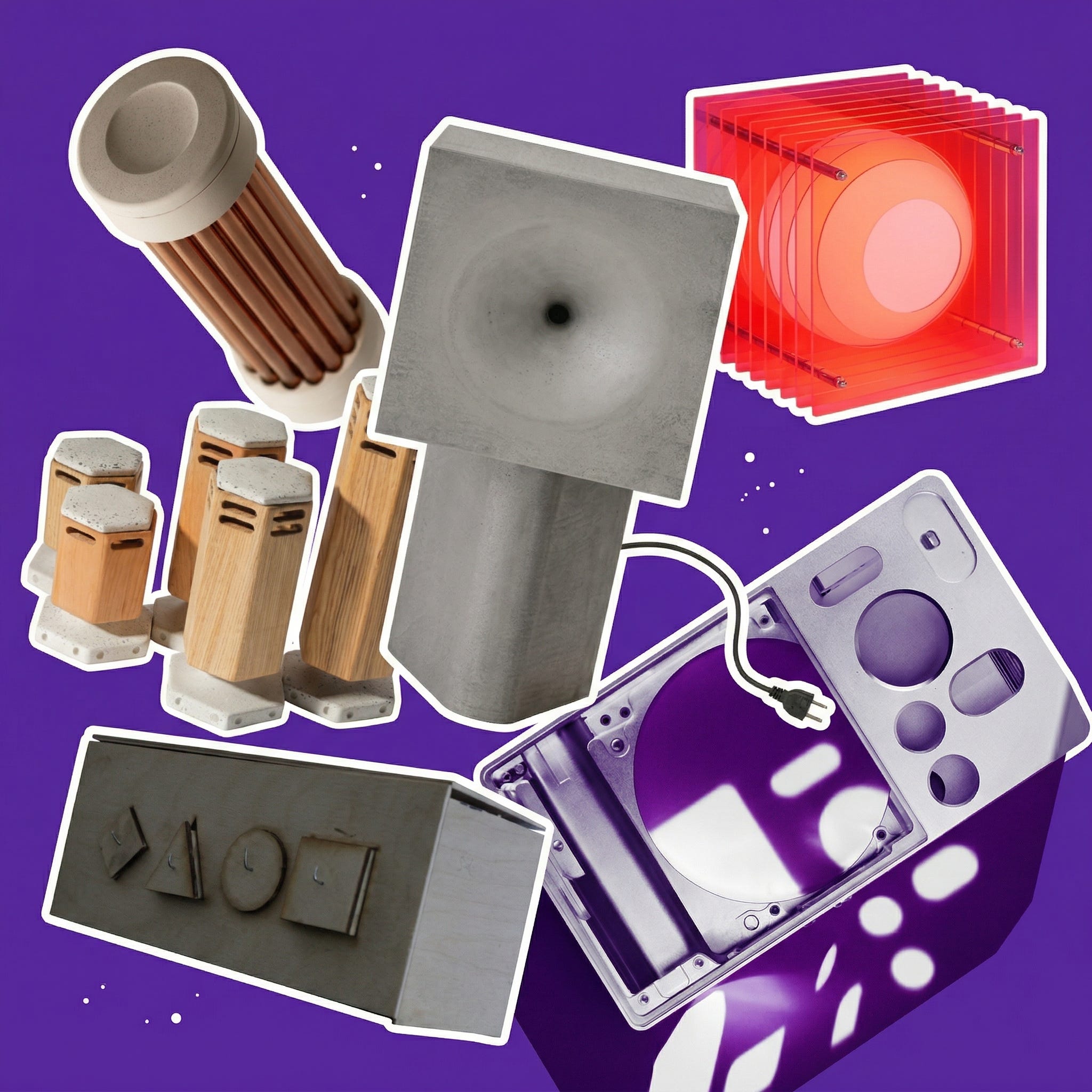
A lamp in stainless steel and brass. A splittable keyboard carved from a single block of aerospace aluminum with a wood accent strip. The Apple MacBook Neo still follows the 2008 unibody template — just softened.
In each case, the material is not a finish — it is the form. This connects to a broader shift away from “premium-looking plastic” toward honest, single-material construction that ages visibly.
Next: ask the CE Design graph on Fodda:
When CE designers commit to a single material, what are they giving up — and which products treat that sacrifice as a feature?
5. Emotion-Expressive Hardware
A category we didn’t call out last year: hardware that physically expresses emotional state.
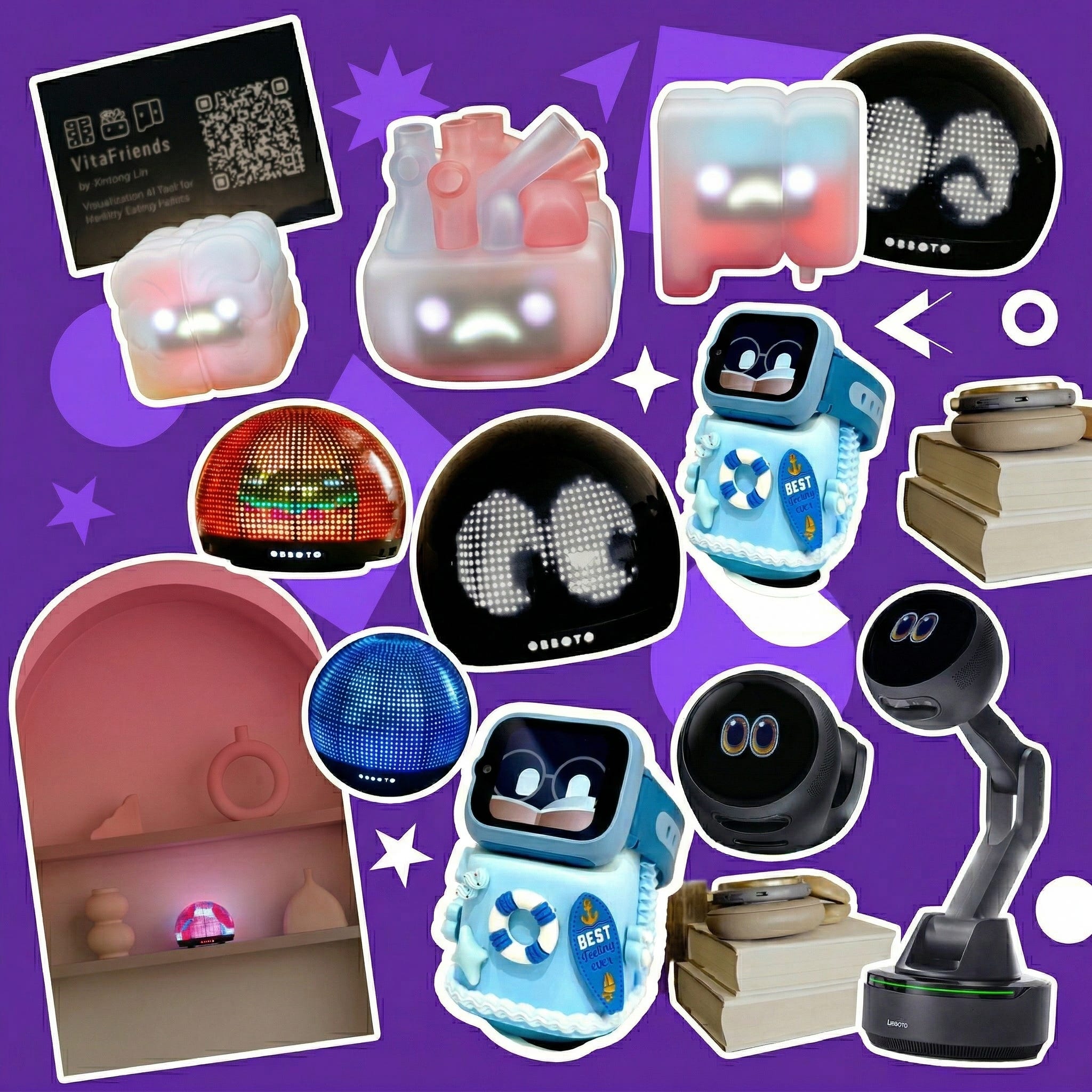
A phone that nods and shakes in response to video calls. A ring that reads emotional and physiological shifts and responds through vibration. A globe that reacts to the room’s mood and music. A robot that comes alive when a child’s watch docks with it.
This is a distinct emergent theme — devices with physical affect, not just function. The form language is deliberately responsive and engaging rather than static.
Next: ask the CE Design graph on Fodda:
Which rooms of the home is emotive tech appearing in first?
Final Thoughts
Some trends we noted last year appear to be stalling. The “Spy Glass” (or telescope) format feels like it’s left in the gutter gazing up at the star - either too early or just not compelling enough. There’s also thin evidence of electronics that broadcast visualizations; previously, we saw a lot of this in student work, so maybe we’re waiting for that theme to literally graduate.
More surprising: proximity-aware tech felt underwhelming in this dataset, often appearing as a secondary feature rather than a defining one.
What does feel consistent across everything is a deliberate move away from touchscreens as the primary interaction surface. This doesn’t feel like nostalgia — it feels like a design argument. That tactile, analogue interaction is more intentional and less addictive than glass.
And form follows that philosophy: when the interface is physical, the object seems to earn its place in the room (or body!)
[Leave comments on the topics of this newsletter on the LinkedIn version here]
FAQ
What is driving the split between invisible and expressive CE design? Both directions are reactions to the same problem: the dominance of passive, undifferentiated glass-rectangle devices. Designers are either hiding electronics inside jewelry and furniture or making them deliberately tactile and emotive as a way to reclaim physical meaning.
How are CE brands using materials to create stronger product identities? The shift is away from premium-looking plastic toward honest, single-material construction that ages visibly. Aerospace aluminum, stainless steel, and brass are being used not as finishes but as the entire design argument, with the material constraint treated as a feature rather than a limitation.
What is emotion-expressive hardware and why does it matter now? Emotion-expressive hardware refers to devices that physically respond to physiological or emotional states through movement, vibration, or light rather than a screen notification. It represents a distinct emergent category that Fodda’s CE Design knowledge graph is actively tracking across 22 trends and 300 data points.
Why is the wearable CE category converging with luxury accessories? Ring-form and wearable devices have shifted their design language away from fitness-tracker aesthetics toward objects that read as jewelry when not in active use. CE brands are now competing directly with luxury accessories for the same physical space on the body, which changes both the materials and the brand conversations they need to have.
Turn Your AI into a Consumer Electronics Trends Expert with Fodda
The CE design shifts covered here are not scattered signals. They are trackable patterns across curated expert sources, product launches, and design research. Fodda’s CE Design knowledge graph puts all 22 trends and 300 data points directly inside your AI, so you can interrogate the data yourself rather than wait for the next annual report.
Query the graph. Follow the threads. Get ahead of the category.
Explore the PSFK Consumer Electronics Intelligence Hub on Fodda
Book me for an in-person presentation of this research or to create a bespoke guide to your market landscape with opportunity areas. Contact PSFK.

*Fodda graphs work best in Claude or Notion or Vertex AI or as an API call.