
Eat Shop
The traditional restaurant is losing margin. The formats winning are the ones where eating and shopping are mixed together.
TL;DR
The traditional restaurant is a single-revenue trap. With alcohol sales declining and food costs up 38% since 2019, operators running one margin line are getting squeezed out while formats that mix eating and shopping are finding room to grow.
The most resilient food formats have collapsed the line between eating and buying. Branded cafes, programmed visits, extended baskets, and curated local shops are not restaurants that added retail. The merger is the model.
Retail and hospitality are converging on the same insight. The visit itself is the offer. PSFK’s retail graph on Fodda surfaces this shift across dozens of curated expert sources tracking where food service and commerce are actively bleeding into each other.
When I recently shared an NYT article with Ben Dietz for his newsletter, I nearly left it at that. This a good piece for [SIC] readers I thought: about the structural pressure on restaurants as alcohol margins erode because the kids aren’t drinkin’ — and we can all nod along to it easily.
We all understand this drama because we know the numbers are stark. NRN reports that Millennials (50%) and Gen X (40%) consumers are much more likely than Gen Z (25%) to name an alcoholic drink as their go-to restaurant beverage. The National Restaurant Association’s 2026 State of the Industry report found that alcohol sales are down as food costs have risen 38% since 2019, with 45% of operators unprofitable in 2025.
But when I came across the ‘Dinner and No Drinks: Restaurants Are Struggling as Americans Drink Less’ article again in an unclosed tab, I read it a second time and it made me wonder if there are signals that point to opportunity in food service too.
So when I queried the data in the PSFK Graph on Fodda to try to uncover connections I found a booming space where food, hospitality and retail mix.
In this newsletter I’m going to introduce you to four clusters where that’s happening.
For each you’ll find links to explore further:
- a 📖 ReadMe file to uploading a supplemental file into your LLM so it can act as a co-pilot researcher,
- a 🧠 Skills file for Claude so it can multi-hop research (more on that below),
- a 🔌 link to Fodda so you can prompt the PSFK Retail Graph directly.
— Piers, PSFK, Service Buddy & Fodda

1. The Branded Table
Retail moves into food service
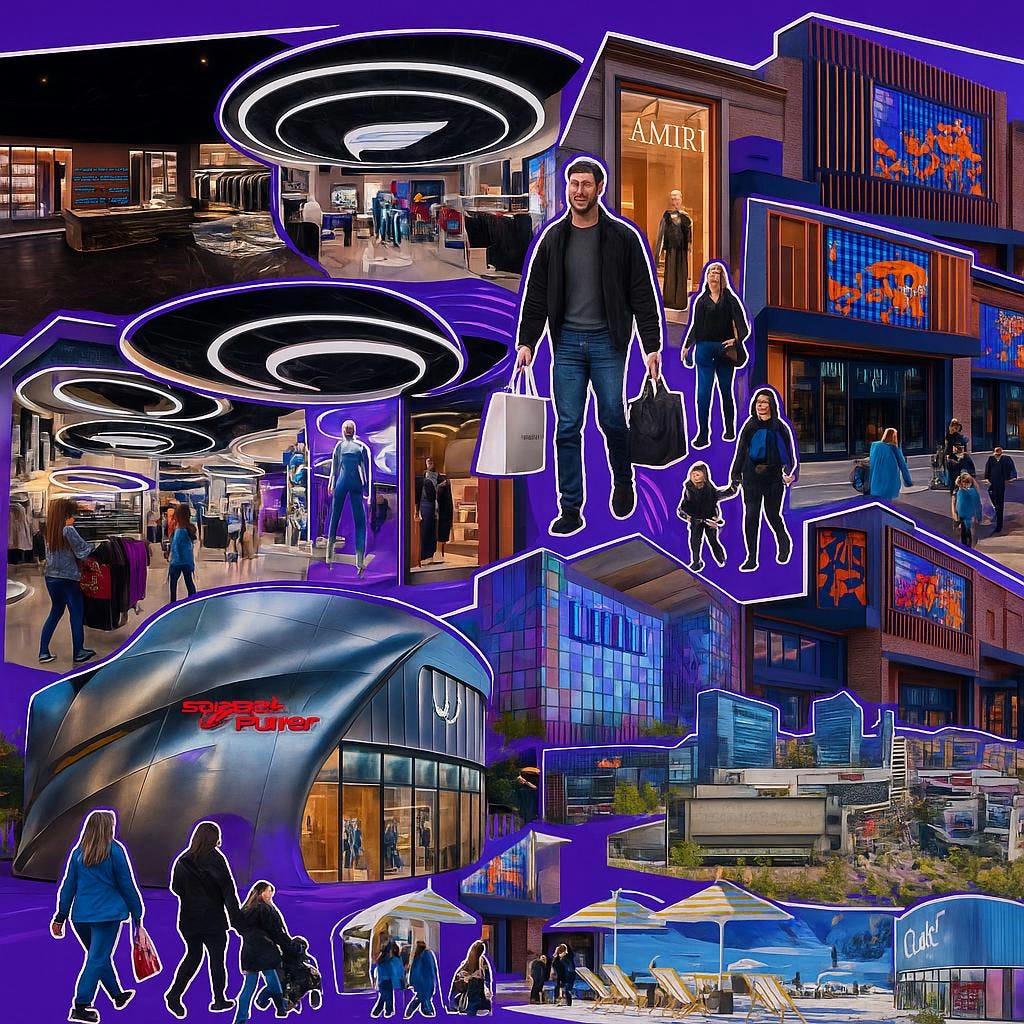
Non-food brands and retailers - Coach, Prada, RH, Aimé Leon Dore - are opening owned cafés and restaurants not to (mainly) sell food, but to do what no shelf, gondola, or website can: slow you down, wrap you in the world of the brand, and make you feel something before you buy anything. Retail arriving in food service - using hospitality as the highest-margin brand asset they own.
Explore this trend and case studies by uploading our free ReadMe file to your AI platform or LLM, or upload this Skill file to Claude, or query the PSFK Retail Graph on Fodda.
2. The Programmed Visit
Food service takes on event retail
Cafés and food venues are shifting from covers and throughput to bookable participation - classes, supper clubs, tastings, community rituals. Food becomes the margin layer; the program is the product. Food service arriving at the same conclusion retail already has: the visit itself is the offer, and you schedule it like an event.
Explore this trend and case studies by uploading our free ReadMe file to your AI platform or LLM, a Skill file to Claude, or querying the PSFK Retail Graph on Fodda.

3. The Extended Basket
The café becomes a shop
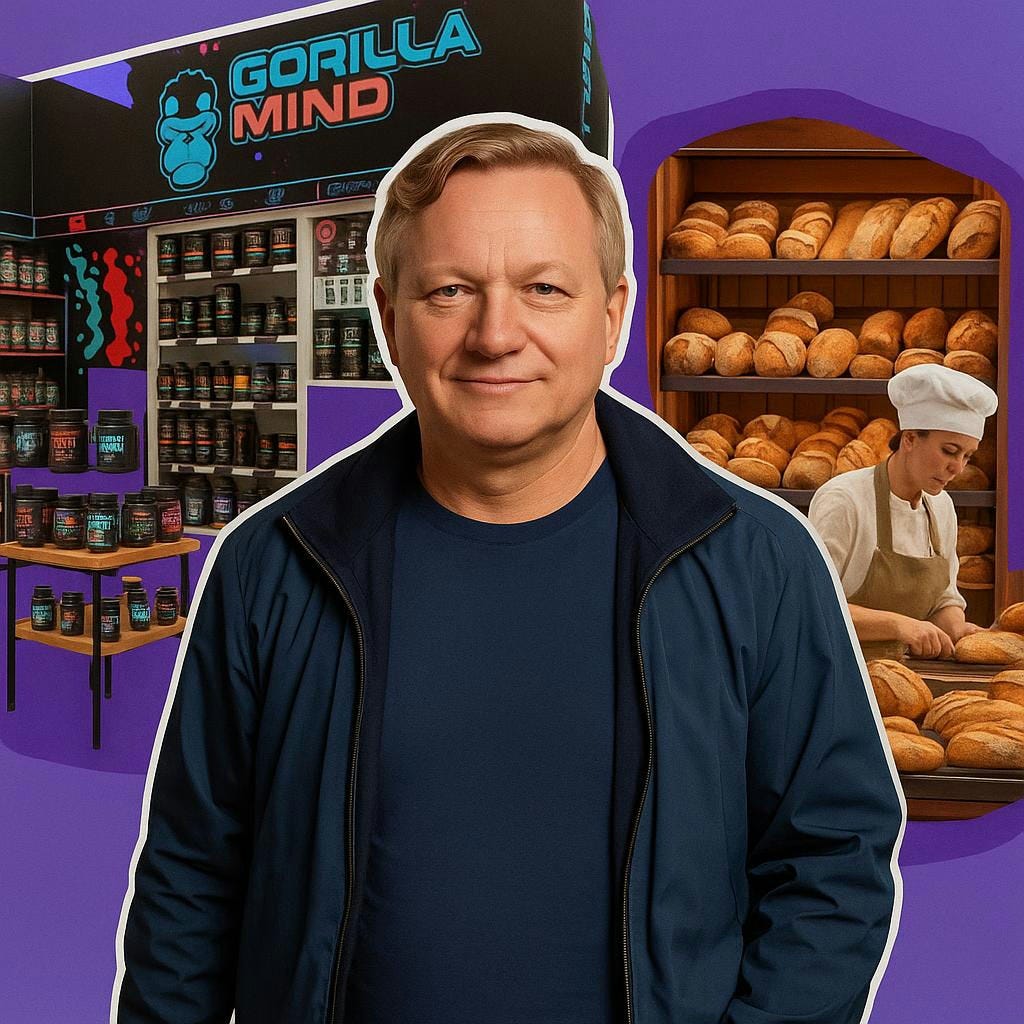
Cafés are adding a second revenue moment to every visit: curated take-home pantry goods, specialty packaged items, natural wines. Noma’s grocery spin-off — the Noma Projects Flavor Shop in Copenhagen — is the extreme version; a thousand neighbourhood cafés are doing it quietly. The counter and the shelf are merging into a single commercial relationship.
Explore a related sub-trend and case studies by uploading our free ReadMe file to your AI platform or LLM, a Skill file to Claude, or querying the PSFK Retail Graph on Fodda.
4. The Curated Local
The neighborhood shop becomes a destination
Hospitality operators and cultural entrepreneurs are reimagining the everyday neighbourhood shop as a place with a genuine point of view. Not a supermarket. Not quite a café. Something closer to a members’ club for the street it’s on. Nick Jones’ Corner Shop 180 on London’s Strand is a grocery, deli, bakery, café and wine bar in one space — with a hotel opening above it. In Houston, Montrose Grocer pairs curated small-producer wine and gourmet grocery with a small plates menu and a 4,000-record vinyl collection. In Brooklyn, Gladys Books & Wine is a wine bar and indie bookshop hosting author events, dating nights and political talks. Daily food retail reimagined as cultural infrastructure.
Explore this trend and case studies by uploading our free ReadMe file to your AI platform or LLM, a Skill file to Claude, or querying the PSFK Retail Graph on Fodda.
So what does this mean?
The traditional restaurant is in trouble because it’s only a restaurant. One revenue stream. One reason to visit. One margin line being steadily eroded. It has no retail underneath it.
The four clusters above aren’t restaurants that added a shop, or shops that added a café. They’re something new — formats where the line between eating and buying has been deliberately collapsed, and where that collapse is the commercial model. Each one illustrates the merger from a different angle:
The Branded Table — retail arrives in food service. The meal delivers what the store never could.
The Programmed Visit — food service takes on retail’s event logic. The booking is the product; the food is what makes it viable.
The Extended Basket — the café becomes a shop. Every visit has two transactions, not one.
The Curated Local — the neighborhood shop becomes a destination. Daily food retail reimagined as a place worth going to.
I’ll admit I’m a little allergic to restaurants these days - maybe it’s something about the bills I walk away with - but there’s plenty in me that wants restaurateurs to win. Looking through this research it seems that the dish isn’t struggling - it’s the old model of what food service is that is. It’s time to add retail and other categories to the recipe.
Yes — sharing Skills files is the new thing I’m experimenting with this week. It’s a way to give Claude specific context and workflows for exploring a trend. Early days, but send feedback.
FAQ
What is driving the structural pressure on traditional restaurants right now? Alcohol margins have historically subsidized food service profitability, but Gen Z consumers are significantly less likely to order alcohol than Millennials or Gen X. Combined with food costs rising 38% since 2019, operators running a single revenue model are finding it increasingly unviable.
How are non-food retailers using hospitality as a brand asset? Brands like Coach, Prada, RH, and Aimé Leon Dore are opening owned cafes and restaurants not primarily to sell food but to slow customers down and build emotional connection before any purchase. Hospitality is functioning as the highest-margin brand experience a retailer can own.
What does the “programmed visit” model mean for food service operators? Rather than optimizing for covers and throughput, operators are shifting to bookable participation: classes, supper clubs, tastings, and community rituals. The program becomes the product and food becomes the margin layer that makes it commercially viable.
Why is the neighborhood shop becoming a cultural destination? Operators are reimagining everyday local retail as a place with a genuine editorial point of view, combining grocery, wine, food, and programming into a single offer. Concepts like Montrose Grocer in Houston and Gladys Books and Wine in Brooklyn show how daily food retail can function as neighborhood cultural infrastructure rather than a commodity stop.
Turn Your AI into a Retail Trends Expert with Fodda
The eat-shop convergence is not a niche experiment. It is a structural shift playing out across food service, luxury retail, and neighborhood commerce simultaneously. Fodda gives your AI direct access to the PSFK Retail Graph so you can query the case studies, trend clusters, and commercial signals driving this merger yourself.
Stop reading about the shift. Start interrogating it.