
TL;DR
Startups are not clustering around industries. They are clustering around the lifecycle of intelligence itself. Feeding it, sustaining it, trusting it, and converting it into action are the four organizing principles behind the most significant new company formation right now.
Provability is the new scalability. The fastest-growing startup category in the PSFK dataset is Trust and Proof: infrastructure that makes AI outputs, climate disclosures, and financial transactions auditable by default because enterprises cannot scale what they cannot verify.
Vertical AI operating systems are replacing point solutions. Startups across healthcare, hospitality, field operations, and SME finance are bundling fragmented tools into single end-to-end surfaces, with embedded payments and AI becoming the new system of record.
If you want to get a sense of the future, emerging companies offer strong signals. They’re particularly useful for trend spotting because they are often run by people who are anticipating change before the broader market has.
We fill the PSFK graph in different ways, some human, some algorithmic. Our startup research leans towards the latter - with search algorithms scanning for new companies to add to our trends database. What’s useful about the machine approach is that it doesn’t get inhibited by language, region or topic like a human does - it just gets to work like a little Sherlock.
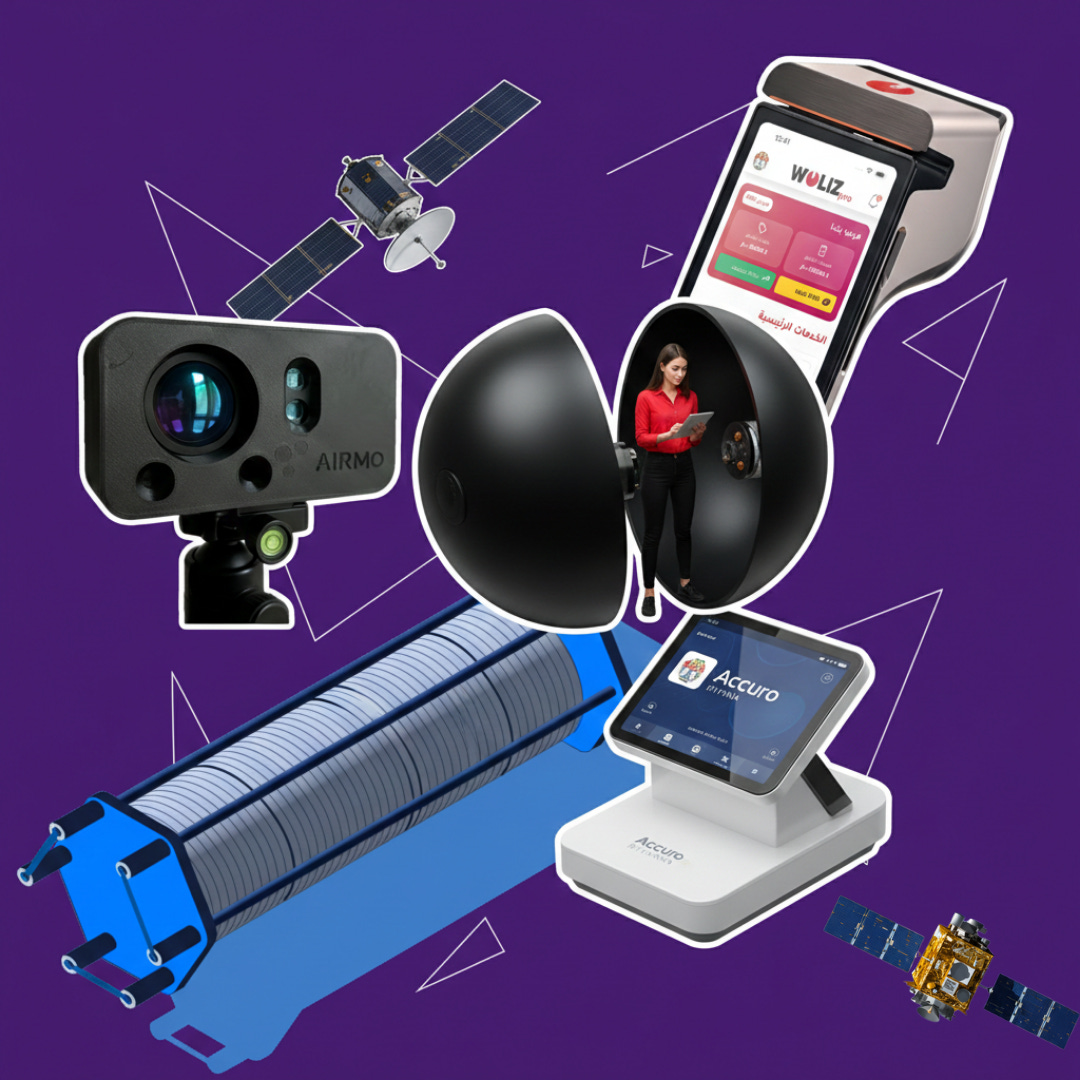
So… by running pattern recognition across the data “we” collected over the last 120 days, we identified 52 different trends for start ups. The broader macro themes you’ll find in this analysis include:
Monitoring & Diagnosis - decision making systems built on computer vision and sensor data
DropIn Inputs - Manufacturers make good products with good ingredients
End to End Operating Systems - workflows that run across the business lifecycle
Trust & Proof - infrastructure around auditing and compliance.
eShoring - the offloading of compute and data
Moment Commerce - anticipating intent and accelerating sales
Simulators - Simulation becomes the prime R&D approach
But what’s the broader pattern here? Where is business going? What do all these trends tell us. I’d love to hear your feedback - but here’s my take:
Start ups are clustering around intelligence. The are working on ideas that:
Feed intelligence
More sensing, more signal, more measurable inputs into systems.Sustain intelligence
Infrastructure that keeps intelligence running reliably, securely, and at scale.Trust intelligence
Work that is auditable, provable, and regulator-ready. Intelligence that cannot be trusted cannot scale.Use intelligence
Intelligence converted into action, decisions, and transactions.
Interestingly, the startup landscape isn’t clustering around industries. It’s clustering around the lifecycle of intelligence itself. Maybe…. we could say that start ups today are building the intelligence infrastructure layer of the economy.
Piers, Founder, PSFK
(For more : check the PSFK newsletter on wearables and a planetary intelligence system)
Key Trends In Start Ups
Trust & Proof
One group of startups are building the infrastructure around auditing and compliance. Their systems make claims, transactions, and AI outputs trackable with evidence, logs, provenance, and regulator-ready reporting baked in. The shift is from “best-effort reporting and opaque automation” to audit-ready systems-by-default, because enterprises can’t scale AI, climate disclosures, or new payment rails without provability.
Examples and Trends within this theme of trust and proof include:
AIRMO within the trend of Template-Driven Compliance Reporting Stacks With Audit Trails
Bridge within the trend of Programmable Stablecoin Rails for Business Payments
Floodlight - Audit-Grade Carbon Accounting Pipelines
Divide Graph - Evidence‑Linked AI Outputs for Compliance and Assurance
Definely - Legal Workflows Embedded Into Primary Work Surfaces
Zenity - AI‑agent governance and GRC systems for enterprise agents
ClimateCamp - Audit‑grade climate measurement and reporting stacks
Tempo - Compliance‑first crypto infrastructure stacks
Moment Commerce
When it comes to commerce, we also see young companies exploring Moment Commerce. Startups are collapsing the distance between attention/intent and purchase by embedding automation directly into the channels where intent is expressed - whether that’s in social, messaging, discovery flows, and content moments. The shift is from optimizing clicks to optimizing completed transactions, often with payments, loyalty, and upsells integrated into the same flow.
Examples and Trends within this theme include:
Syncpop within the trend of AI social-to-booking autopilots for local SMBs
ExpectMe - Booking-to‑Upsell Monetization Layers for Hospitality and Travel
Diddo - Content monetization that turns moments into transactions
Buzz - Travel booking that merges discovery, service and payments into one flow
End to End Operating Systems
Within this theme we see startups building what are, in effect, Vertical AI Operating Systems. New companies are bundling fragmented tools into single operating surfaces that run a business end-to-end - workflow execution, data capture, billing, reporting, and increasingly payments/finance. Instead of “add another point solution,” buyers get a system-of-record that automates reconciliation and becomes the platform for AI, embedded finance, and new services.
Examples and Trends within this include:
Viz within the trend Hospital AI Workflow Layers Replacing Single‑Point Tools
Harbor Lynx - End-to-End Operating Systems for Niche Physical Operations
Nominal - Multimodal Ops Observability for Physical Assets Replacing Spreadsheet Maintenance
HerStage - Women’s Health Platforms Bundling Lifecycle Care With Virtual Coverage and Coaching
Brigit - Nonprofit RevOps Automation
Woliz - Vertical Operating Systems for Field‑Heavy Industries
Clovo - Condition‑Specific Digital Therapeutics With Always‑On AI Coaches
Cell - Chat-native operational workflows that replace portals for routine tasks
KaHero - SME operating systems bundling POS, payments and embedded finance

eShoring
It’s probably not the best name but I was trying to describe how startups are clustering around offering off-premise data and computing operations fueled by a collision of AI workload demands with constraints around cost predictability, latency, and sovereignty. My AI wants to call this Sovereign Compute & Productized Deep-Tech Infrastructure: So we see startups turning AI infrastructure from a bespoke engineering project into a purchasable product: managed performance, packaged inference stacks, and deploy-anywhere configurations (on-prem, offline, air-gapped).
Examples and Trends within this theme of eShoring include:
Coreweave that sits within the trend of AI-Native Compute and Private Model Deployment Replacing General Cloud Setups
Groq - Specialized AI Compute Clouds Sold as Managed Performance
Cohere - On‑Prem and Offline AI for Sovereignty and Denied Networks
QuEra - Quantum and Photonics Components Moving Into Procurement Catalogs
Sarvam - On‑prem and offline‑first deep tech for restricted or sovereign environments
TensorWave - Packaged AI compute and inference as a product (cloud + hardware bundles)
Monitoring & Diagnosis
In the data I saw how startups exploring “validated decision support” and embedded care. These entrepreneurial companies are shipping narrow, validated diagnostics and monitoring modules that work inside clinician workflows (viewers, EHR pathways, intraop systems) and extend into the home with continuous interpretation. The pattern is moving from standalone analytics to in-situ decision support with clear accountability and adoption pathways.
Examples and Trends within this include
Rivana - AI-Guided Procedural Imaging Making Specialist Decisions Repeatable
LEO - Consumer Self‑Verification Biomarkers Moving Into Everyday Routines
Qure - Clinician‑Facing AI Diagnostics and Monitoring Modules
RingConn - At‑Home Diagnostic Hardware as Subscription Services
CergenX - Breakthrough-designation imaging that makes staging and perfusion visible during procedures
Drop-In Inputs for Sustainable Manufacturing
I guess, if you want to make better-for-the-planet products, you better look at the stream of ingredients and energy that feeds your production line. In this theme of Decarbonized Inputs That Fit Existing Supply Chains, startups are scaling new materials and production methods by licensing into existing supply chains (instead of trying to replace them). The emphasis is on drop-in adoption: converters, machinery/process licensing, and distributed manufacturing approaches that reduce carbon and dependency on centralized petrochemical infrastructure.
Solidec that fits within the trend of Electrified Modular Reactors Replacing Bulk Chemical Supply
Lite1 - Bio‑Grown Industrial Inputs Replacing Petrochemical and Mined Feedstocks
Pulpac - Plastic‑Free Packaging Tech Licensed Into Existing Supply Chains
Pulpex - Fiber and biomaterial packaging shipped as a licensed manufacturing process
Simulators
I also see a pattern of start ups exploring simulation-first R&D & digital twin tech. Startups are shifting simulation to the primary research approach: in biology (which experiments to run, which candidates to advance) and in complex environments like the OR (training twins, workflow standardization). The shift is from “wet lab / real-world first” to compute-first prioritization that compresses iteration cycles and standardizes execution.
Caresyntax that fits in the trend of OR Digitization With Intraoperative Guidance and Training Twins
Turbine - In‑Silico Bio Platforms Acting as Lab Capacity
Owkin - Biology R&D Shifts to Simulation and Automation Platforms
Clovo - Condition‑specific digital therapeutics with built‑in validation loops
Insilico - Computation-first biology platforms that prioritize simulation and multimodal models
***
As I said earlier, Start ups are clustering around intelligence. The are working on ideas that Feed, Sustain, Trust and Use intelligence
Interestingly, the startup landscape isn’t clustering around industries. It’s clustering around the lifecycle of intelligence itself. We could say that start ups today are building the intelligence infrastructure layer of the economy.
FAQ
Why are startups organizing around intelligence infrastructure rather than specific industries? The most durable startup opportunities right now sit beneath any single vertical: the compute, audit, simulation, and commerce layers that every industry needs to run AI at scale. Companies building those horizontal capabilities can license into existing supply chains and workflows rather than trying to replace them.
What is Moment Commerce and why is it emerging as a distinct startup category? Moment Commerce describes startups collapsing the distance between consumer intent and completed transaction by embedding payments, loyalty, and upsells directly into the channel where attention is expressed, whether social, messaging, or content. The shift is from optimizing clicks to optimizing completed transactions in a single flow.
What does the Trust and Proof startup cluster tell us about where enterprise AI adoption is headed? Enterprises cannot scale AI deployments without provability. The surge in startups building audit-grade outputs, compliance-ready reporting stacks, and AI agent governance systems reflects a market reality: regulators, procurement teams, and boards are demanding accountability infrastructure before they will greenlight broader AI rollouts.
What is driving the shift toward simulation as a primary R&D approach? Startups in biology, surgical planning, and complex operations are moving simulation to the front of the research process rather than treating it as a validation step. Compute-first approaches compress iteration cycles significantly and reduce dependency on physical lab capacity, making them commercially attractive as AI model quality improves.
Turn Your AI into a Startup Intelligence Expert with Fodda
The intelligence infrastructure layer of the economy is being built right now, across compute, compliance, vertical operating systems, and moment commerce simultaneously. Fodda gives your AI direct access to the PSFK trend graph so you can track the startups, patterns, and macro themes shaping the next cycle of business formation before they hit the mainstream radar.
The infrastructure is being laid. Get your AI on the job.
Explore the PSFK Intelligence Hub on Fodda